Last verified: November 3, 2026
Quick Answer
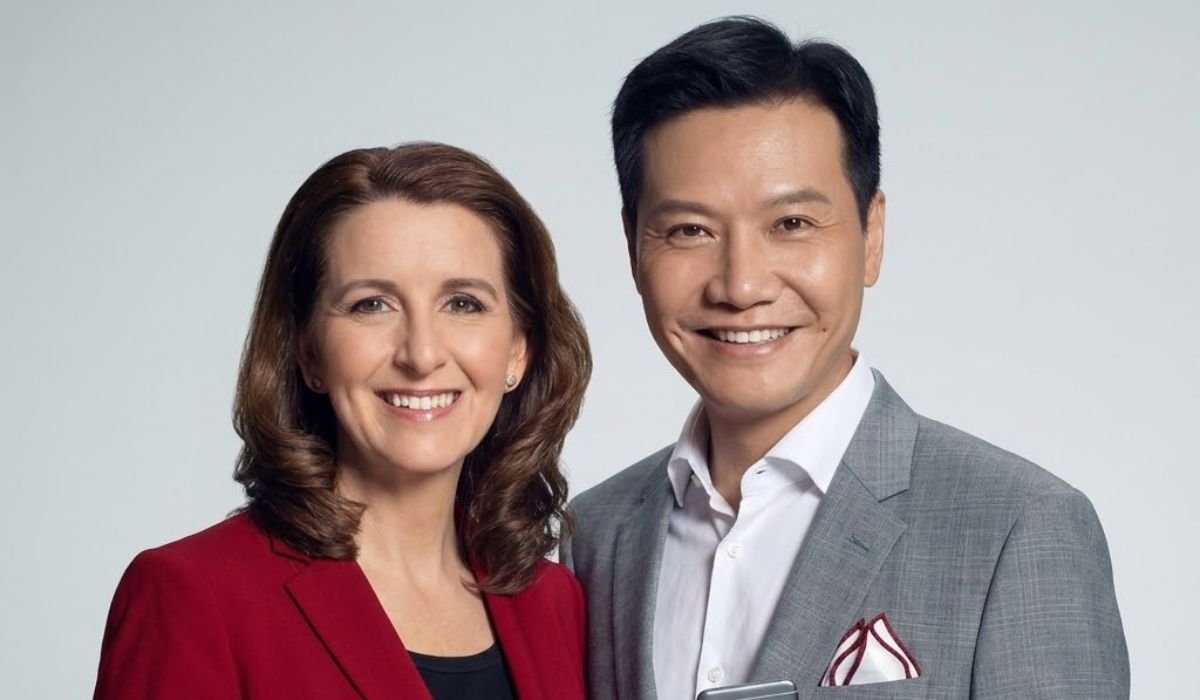
Kathy Warden and Lei Jun have distinct leadership approaches shaped by their industries. Kathy Warden emphasizes organizational purpose, trust, empathy, communication, and accountability at Northrop Grumman. Lei Jun is associated with technology led innovation, product development, quality, and long term business growth at Xiaomi. Their approaches share an interest in sustainable organizational progress, but their priorities reflect different business environments.
TL;DR
- Kathy Warden: Her documented leadership principles emphasize purpose, empathy, trust, communication, resilience, and accountability.
- Lei Jun: His business philosophy is associated with technological innovation, product development, quality, and long term growth.
- Main difference: Warden’s leadership evidence focuses on organizational alignment and responsibility, while Lei Jun’s business approach emphasizes technology and competitive product development.
- Industry influence: Northrop Grumman operates in aerospace and defense, while Xiaomi operates in consumer electronics, smart manufacturing, and electric vehicles.
- Shared lesson: Effective leadership requires a clear direction, adaptability, and the ability to connect organizational priorities with long term objectives.
Kathy Warden vs. Lei Jun: Leadership Comparison
The clearest way to understand these executives is to compare their documented leadership priorities rather than assign them broad personality labels. Warden leads an organization working in aerospace and defense, while Lei Jun leads a technology company competing across consumer products and connected devices.
| Leadership factor | Kathy Warden | Lei Jun |
|---|---|---|
| Organization | Northrop Grumman | Xiaomi |
| Industry | Aerospace and defense | Consumer technology, smart manufacturing, and electric vehicles |
| Documented emphasis | Purpose, trust, empathy, and accountability | Innovation, technology, product quality, and long term development |
| Leadership context | Organizational alignment and operational responsibility | Product development and competitive positioning |
| Evidence used | Executive interviews and company information | Company information, business interviews, and management research |
| Important distinction | Leadership principles are supported by her own public statements | Several leadership themes are interpretations supported by business research and interviews |
Neither approach can be declared universally better. Their responsibilities, organizational environments, and strategic challenges are different. A fair comparison must consider those differences before evaluating their leadership decisions.
What Is Kathy Warden’s Leadership Style?
Kathy Warden’s leadership approach emphasizes organizational purpose, empathy, trust, open communication, resilience, and accountability. In a September 2022 interview with McKinsey, she explained how Northrop Grumman connected its purpose and values with leadership behaviors, employee development, measurable goals, and organizational practices.
Her approach is particularly relevant to organizations where employees need to understand how their responsibilities contribute to a broader mission. Rather than treating company values as statements on a website, Warden has discussed the importance of translating those values into everyday leadership behavior.
Purpose Driven Leadership and Organizational Values
Purpose is an important part of Warden’s documented leadership philosophy. She has discussed connecting employees with the broader mission of Northrop Grumman and helping them understand the significance of their work.
Northrop Grumman operates in aerospace and defense, an industry where technology, reliability, national security, and organizational coordination matter. A shared sense of purpose can help employees understand why their individual responsibilities contribute to wider organizational objectives.
For Warden, the practical leadership lesson is that a company’s mission should influence how people work, make decisions, and measure progress. A mission becomes more meaningful when employees can connect it with their daily responsibilities.
Empathy, Trust, and Inclusive Leadership
Warden has also highlighted empathy and trust as important leadership qualities. Her public comments emphasize understanding employees, encouraging communication, and creating an environment where people can contribute effectively.
Trust is especially important in large organizations because senior executives cannot personally manage every decision. Employees and managers need a clear understanding of expectations, responsibilities, and organizational values.
An empathetic leadership approach does not mean avoiding difficult decisions. It means considering how decisions affect people while maintaining responsibility for organizational performance.
Resilience, Communication, and Accountability
Another important element of Warden’s approach is resilience. Executive leadership involves managing uncertainty, responding to challenges, and keeping an organization focused when circumstances change.
Communication helps connect strategic decisions with employees who must carry them out. Accountability then ensures that organizational goals are translated into measurable responsibilities rather than remaining broad intentions.
Warden’s approach therefore brings together three practical ideas:
- Resilience: Maintain direction when organizations face uncertainty.
- Communication: Explain priorities clearly and encourage meaningful dialogue.
- Accountability: Connect organizational objectives with measurable actions and responsibilities.
These principles are documented themes from Warden’s public leadership discussions, not a claim that every decision she makes follows one fixed management formula.
How Did Kathy Warden’s Career Change After 9/11?
Warden has explained that an intelligence community assignment following the September 11, 2001 attacks gave her a stronger sense of purpose and influenced her career direction toward national security. This experience provides useful context for understanding why mission driven work features prominently in her leadership philosophy.
Her career development illustrates how a major professional assignment can change an executive’s understanding of responsibility. The important point is not simply that she changed roles, but that the experience helped connect her professional work with a broader national security mission.
What Is Lei Jun’s Leadership Style?
Lei Jun’s business philosophy is associated with technological innovation, product development, quality, customer value, and long term organizational growth. As Xiaomi’s founder, chairman, and CEO, he has played a central role in building the company into a major consumer technology business.
His leadership approach is best understood through Xiaomi’s product strategy and his public business discussions. Academic research and business interviews provide additional context about the company’s innovation focused development and competitive positioning.
Unlike Warden’s documented emphasis on organizational purpose and trust, the available evidence about Lei Jun places greater attention on technology, products, and business development.
Innovation and Technology Led Thinking
Innovation is central to Lei Jun’s association with Xiaomi. The company’s development has involved smartphones, connected devices, software, and other technology products. Its broader business activities also include electric vehicles and smart manufacturing.
This technology focused environment requires attention to product development, changing customer expectations, and competition. Lei Jun’s business philosophy is therefore closely connected with building products that combine useful technology with a competitive value proposition.
Innovation is not simply about introducing new features. It also involves understanding which improvements matter to customers, deciding where to invest resources, and maintaining product quality as a company expands.
Product Quality and Customer Value
Product quality and value are useful themes for understanding Xiaomi’s business approach. Technology companies need products that attract customers while delivering reliable performance and a clear reason to choose them over alternatives.
For Xiaomi, product development extends beyond smartphones. Its connected ecosystem links different consumer devices, while its electric vehicle business expands the company’s presence into another technology intensive market.
Lei Jun’s association with this strategy illustrates how product focused leadership connects engineering, market positioning, and customer expectations.
However, it would be inaccurate to claim that Lei Jun personally makes every product decision or that Xiaomi’s entire management system follows one specific leadership model. The comparison should focus on documented business priorities rather than assumptions about internal management practices.
Long Term Business Development at Xiaomi
Lei Jun’s business approach is also associated with long term development. Building a technology company requires more than achieving short term sales. Companies must continue investing in products, engineering, research, and the systems needed to support future growth.
Xiaomi’s expansion into electric vehicles provides a useful example of how the company has broadened its technology ambitions beyond smartphones. This development shows the growing connection between consumer electronics, software, connected hardware, and mobility.
The strategic lesson is that long term growth can involve entering adjacent technology markets when a company believes its capabilities and resources can support expansion.
Key Differences Between Kathy Warden and Lei Jun
The biggest difference between Kathy Warden and Lei Jun is the emphasis of their documented leadership philosophies. Warden’s public discussions focus on organizational purpose, trust, and accountability. Lei Jun’s business approach is more closely associated with technology, product development, and innovation.
Leadership Philosophy and Priorities
Warden emphasizes connecting employees with organizational values and ensuring that people understand the purpose behind their responsibilities. Her approach places significant attention on the human and organizational factors that support performance.
Lei Jun’s business philosophy is more closely connected with product and technology development. Xiaomi’s growth and expansion demonstrate the importance of identifying opportunities, developing competitive products, and investing in technological capabilities.
Decision Making and Organizational Management
Warden’s leadership discussions highlight communication, measurable goals, and accountability. These principles are relevant to coordinating a large organization with complex responsibilities.
Lei Jun’s public business approach is associated with product positioning, technological development, and long term market opportunities. However, the available evidence does not establish a complete picture of his internal decision making or employee management methods.
It is therefore more accurate to compare their documented strategic priorities than to claim that one executive uses a particular decision making system more effectively than the other.
Innovation and Business Strategy
Innovation matters to both leaders, but it appears in different organizational contexts.
- Warden: Innovation is connected with advancing aerospace and defense capabilities while maintaining organizational purpose and accountability.
- Lei Jun: Innovation is closely associated with consumer technology, product development, connected devices, and Xiaomi’s expansion into electric vehicles.
Both approaches require organizations to adapt, but the products, customers, risks, and responsibilities involved are different.
Industry Challenges and Responsibilities
Industry context is essential when comparing these executives. Northrop Grumman works in aerospace and defense, where national security requirements, complex technology, reliability, and long development cycles shape organizational responsibilities.
Xiaomi competes in consumer technology markets where product differentiation, customer expectations, technological progress, and market competition are important strategic considerations.
These environments create different leadership demands. A comparison that ignores them could unfairly judge one executive using the expectations of another industry.
What Leadership Principles Do Kathy Warden and Lei Jun Share?
Although their approaches have different emphases, both executives are associated with long term organizational development and adapting to changing business environments.
Long Term Vision and Organizational Growth
Warden’s emphasis on purpose and organizational alignment supports a long term view of corporate responsibility. Lei Jun’s association with technology development and Xiaomi’s expansion reflects a different route toward sustained business growth.
Both examples show why leadership requires more than reacting to immediate business pressures. Executives must connect present decisions with broader organizational objectives.
Adaptability and Continuous Improvement
Large organizations must adapt to new technologies, changing expectations, and evolving competitive environments. Warden’s emphasis on resilience and Lei Jun’s association with innovation provide two different perspectives on responding to change.
For Warden, adaptability is connected with maintaining organizational purpose while addressing challenges. For Lei Jun, it is closely related to developing products and expanding technological capabilities.
The shared lesson is that leadership requires a willingness to adjust strategies without losing sight of long term priorities.
Leadership Lessons From Kathy Warden and Lei Jun
Their professional approaches offer useful lessons for executives, entrepreneurs, and managers. These lessons should be adapted to the needs of an organization rather than copied without considering its size, industry, and responsibilities.
Lessons for Corporate Leaders
- Connect work with purpose: Employees should understand how their responsibilities contribute to broader organizational objectives.
- Build trust through communication: Clear expectations and open communication can strengthen organizational alignment.
- Make accountability practical: Strategic goals should translate into measurable responsibilities.
- Develop resilience: Leaders need to maintain direction while responding to uncertainty.
Lessons for Entrepreneurs and Technology Businesses
- Focus on meaningful innovation: Technology should solve customer problems rather than simply add complexity.
- Pay attention to product quality: Competitive products need to deliver a convincing combination of performance and value.
- Think beyond immediate growth: Long term development requires investment in products and capabilities.
- Understand market opportunities: Expansion into new areas should connect with the organization’s genuine strengths.
These lessons reflect the leadership themes associated with each executive. They are practical interpretations rather than claims that either leader has formally presented this exact list.
Frequently Asked Questions
What Is Kathy Warden’s Leadership Style?
Kathy Warden’s documented leadership approach emphasizes purpose, empathy, trust, communication, resilience, and accountability. She has discussed connecting organizational values with practical leadership behaviors and measurable goals.
What Is Lei Jun’s Leadership Philosophy?
Lei Jun’s business philosophy is associated with technological innovation, product development, quality, customer value, and long term growth. His leadership approach can be understood through Xiaomi’s business strategy and his public business discussions.
How Are Kathy Warden and Lei Jun Different as Leaders?
Warden’s documented leadership principles emphasize organizational purpose, trust, and accountability. Lei Jun’s business approach is more closely associated with technology led innovation, product development, and competitive growth.
What Leadership Principles Do Both Executives Share?
Both are associated with long term organizational progress and adapting to changing business environments. Their approaches differ in emphasis because they lead organizations operating in different industries.
How Does Kathy Warden Encourage Organizational Trust?
Warden has discussed empathy, communication, and shared organizational values as important leadership principles. These ideas help connect employees with organizational goals and responsibilities.
What Makes Lei Jun an Innovative Business Leader?
Lei Jun is associated with Xiaomi’s technology focused development across consumer electronics and connected products. The company’s expansion into electric vehicles also demonstrates its broader ambitions in technology and manufacturing.
How Does Industry Influence Their Leadership Styles?
Northrop Grumman’s aerospace and defense responsibilities require attention to complex technology, reliability, and national security. Xiaomi’s consumer technology business places greater emphasis on product development, customer expectations, and competitive innovation.
Are Kathy Warden and Lei Jun’s Leadership Approaches Directly Comparable?
They can be compared through common leadership dimensions such as vision, innovation, communication, and organizational growth. However, their different industries and responsibilities mean that their performance should not be judged using identical expectations.
Is Xiaomi an Electric Vehicle Company?
Xiaomi is not limited to electric vehicles or smartphones. Its business includes consumer electronics, connected smart hardware, and electric vehicles, making it a broader technology and manufacturing company.
What Is Kathy Warden’s Professional Background?
Kathy Warden is an American business executive associated with Northrop Grumman. Her professional background includes leadership experience in technology, aerospace, defense, and intelligence related work.
What Is Lei Jun Known For?
Lei Jun is best known as the founder, chairman, and CEO of Xiaomi. He is associated with building the company into a major consumer technology business and expanding its activities into connected devices and electric vehicles.
Sources and Research References
The leadership comparison draws on official corporate information, executive interviews, and business research. First person statements are distinguished from interpretations of business strategy.
- Northrop Grumman: Kathy Warden’s official leadership biography
- McKinsey: Leadership Rundown with Kathy Warden
- KPMG: Leadership conversation with Kathy Warden
- Xiaomi Investor Relations: Lei Jun’s official biography
- Xiaomi: Board of Directors
- WIRED: Lei Jun and Xiaomi’s business philosophy
- 36Kr: Business interview with Lei Jun
Key Takeaways
- Kathy Warden’s documented leadership approach emphasizes organizational purpose, empathy, trust, resilience, communication, and accountability.
- Lei Jun’s business philosophy is associated with technology, innovation, product development, quality, and long term growth.
- The most significant difference is the context in which they lead: aerospace and defense for Warden, and consumer technology and smart manufacturing for Lei Jun.
- Both approaches demonstrate the importance of adapting to changing business environments while maintaining long term organizational direction.
- The strongest leadership lesson is to match management priorities with the organization’s mission, industry, capabilities, and responsibilities.
Ultimately, Kathy Warden and Lei Jun illustrate two different approaches to leading complex technology organizations. Warden’s emphasis on purpose and organizational trust offers lessons in corporate alignment, while Lei Jun’s association with innovation and product development highlights the importance of technology led growth.
Hi, I’m William, the voice behind PrayerSign — a space dedicated to sharing powerful prayers and meaningful Bible verses for everyday life. My mission is to help people find peace, strength, and guidance through God’s word, no matter what situation they are facing.